
- \ Gerard Gruber
- February 3, 2021
!cruise ship
The coronavirus pandemic has changed everything. From our daily personal routines and holiday celebrations to how and where we work, the landscape is incredibly different from a year ago.
The coronavirus pandemic has changed everything. From our daily personal routines and holiday celebrations to how and where we work, the landscape is incredibly different from a year ago. But it’s also very different from early in the pandemic.
With the approval of COVID-19 vaccines and rollouts underway, there is the proverbial light at the end of the tunnel, especially for businesses hit hardest. Here’s a look at the top five industries most likely to get a shot in the arm from … well, a shot in the arm:
Travel (Airlines, Hotels, Cruises)
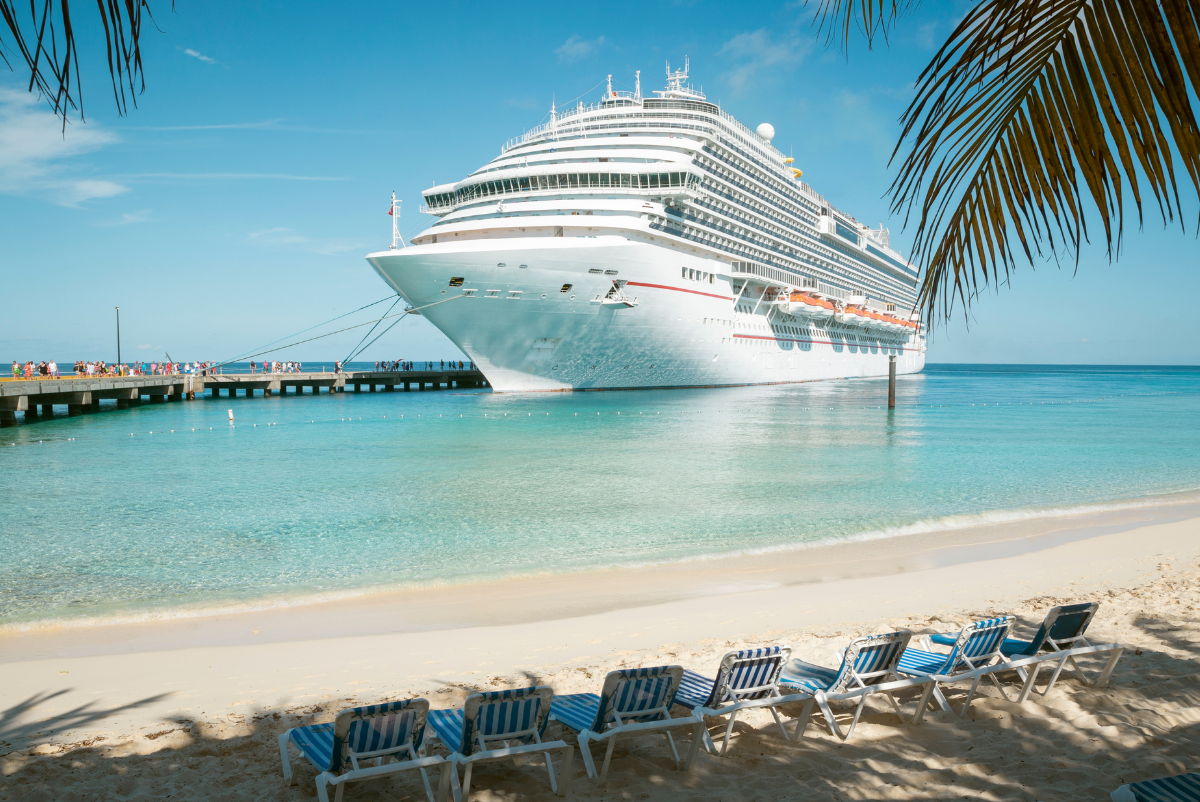
As of early December, reports show that domestic air travel is down 65.5 percent and hotel occupancy is down 28.5 percent. And that’s all promising compared to the cruise line industry, which is facing an estimated $32 billion loss in 2020 with cruising suspended through the end of the year.
The good news for the travel industry is pent-up demand is high, according to the American Society of Travel Advisors. That’s unsurprising with so many families tired of Netflix binge-watching and catching up with long-distance family via Zoom. The arrival of the vaccines is likely to give folks enough confidence to at least book trips.
Transportation (Cars, Trains, Buses, Rideshare)
With many people working from home and avoiding travel or really any movement, the demand for transportation plummeted in the spring.
With a vaccine in play, ridership across the board is likely to make a big jump. And with travel given the green light, road trips, which already have been very popular in 2020, and the use of other transportation will see pent-up demand as well. The only wild card may be how many companies keep their employees remote full time.
Restaurants
Many bars and restaurants were forced to shift to takeout only in the spring. Since then, they’ve been on a rollercoaster as on-premise restrictions are lifted and then put back in place as cases fall and rise. As of December, the number of seated diners at restaurants is 60 percent lower than it was this time last year.
With a vaccine, restaurants no longer will have to worry about both of the reasons they’ve seen so much turmoil this year: lockdown restrictions and social distancing measures. And just like travel demand, eating out is a big on the to-do list post-COVID for people are itching to get out of the house.
Retail
From iconic companies to mom-and-pop shops, retailers across the country were forced to trim store hours or close their doors temporarily or permanently. Even worse, the rise of e-commerce saw a sharp increase, with spending up $32 billion year-over-year as of November.
High-end retail, especially fashion and clothing stores, took a big hit. With white collar workers now at home, the need for business attire decreased exponentially. And the already popular Marie Kondo decluttering trend continued into the pandemic, further impacting the industry.
But many retailers have started to adapt. Over the course of the year, about 36 percent of online spending for nonfood items will have been supported by a physical store, according to GlobalData. The landscape of retail for brick and mortar stores may have been altered slightly, but the demand has not. And talk to any suburban mom about the thing she missed most about the pre-pandemic world and you’re likely to hear about moseying through Target.
Sports
When March Madness was cancelled and nearly every major sports league postponed or suspended its games, it left a huge void for everyone looking for an escape during the pandemic and looked like yet another huge hit to the economy. About 1.3 millions jobs were impacted due to furloughs, reduced hours, or lay offs.
But then the games started back up before the end of summer. The first MLB games, the NBA bubble at Walt Disney World, the NHL’s modified postseason, and, then finally, the return of college and professional football.
And a sports world with a vaccine is looking even more promising. The “Spectator Sports Market Global Report 2020” forecasts that the global sports market, of which the U.S. market accounts for 35 percent, would see an overall decline in 2020 of about $5 billion. But the market is expected to fully recover and grow 8 percent in 2021. Say goodbye to cardboard cutout fans.
Looking to Travel?
If you and your loved ones are looking for an escape, it may be best to book your travel arrangements now. By springtime, we could see a significant jump in the price of travel due to a predicted increase in demand. Be sure to check cancellation policies to ensure you won’t lose money should your plans suddenly change.
- Industries