
- \ Gerard Gruber
- March 31, 2022
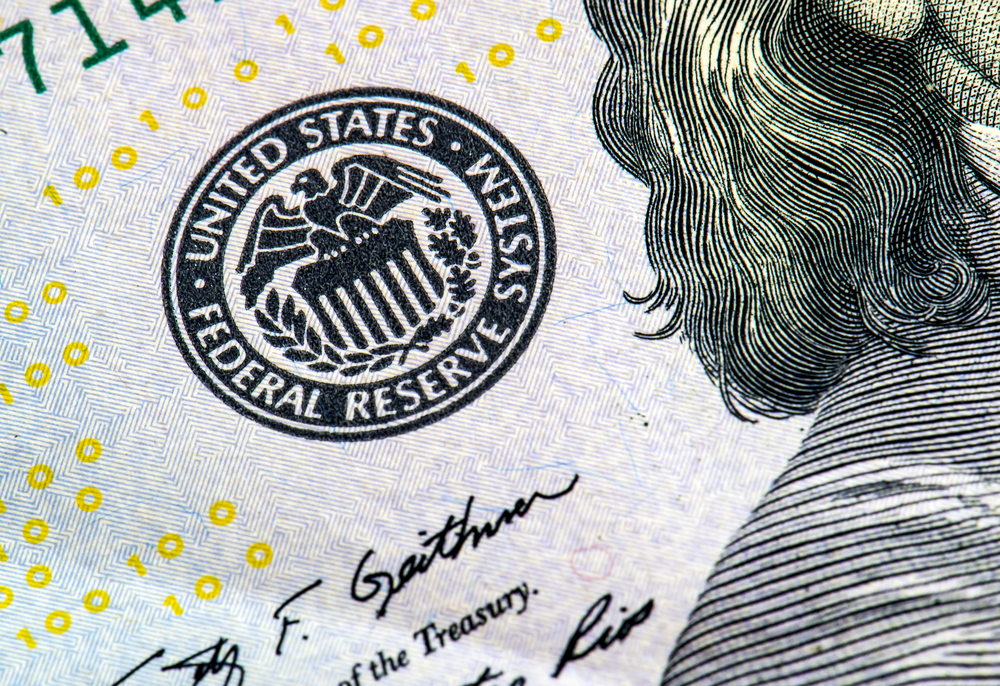
The likely prospect of higher interest rates has many Americans worried. After a few years of rock bottom interest rates, primarily due to the COVID-induced economic downturn, most Americans anticipate higher rates in the near future. Now, with a stronger economy and...
The likely prospect of higher interest rates has many Americans worried. After a few years of rock
bottom interest rates, primarily due to the COVID-induced economic downturn, most Americans
anticipate higher rates in the near future. Now, with a stronger economy and the prospect of higher
inflation, the Federal Reserve is expected to gradually bump up short-term rates this year.
Should consumers be worried? It really depends. While the small, incremental increases in the short term federal funds rate will have no direct impact on consumers, higher bond yields driven by inflationary pressures can impact consumer borrowing.
How High Will Rates Go?
The Federal Reserve has kept short-term rates near zero to stimulate the economy. Lower rates are
supposed to encourage borrowing money that can be spent on homes and cars, and other goods. The
Fed recently raised the short-term rate for the first time in three years by a quarter of a point and is
expected to increase them at least three more times in 2022.
While the Fed rate increases can be expected to drive consumer rates higher, it is not likely to happen
quickly. Consumer interest rates still respond to market demand and inflation. If the demand for money
increases, as it usually does in a stronger economy, you can expect consumer rates to increase. The
recent surge of inflation, which has hovered between 0 and 2% in recent years, will have a more
significant impact on borrowing rates. As of March 22, 2022, mortgage rates rose to 4.4%, a full
percentage point since the beginning of the year.
What Will Higher Interest Rates Mean for You?
Higher interest rates will have a different effect on different people depending on their circumstances.
There will be winners and losers, and there will be people for which the impact will be negligible.
Generally, higher interest rates mean the banks can afford to pay you more on your deposits, but they
will also charge you more on the money you borrow.
If you have debt: The only people without much to worry about concerning debt are those with fixed
mortgages or loans with fixed rates. Anyone holding variable debt, such as adjustable-rate mortgages
and credit cards with variable APRs, will eventually see the rate charged on their debt increase.
Depending on the circumstances, now would be time to consider converting variable-rate loans to a
fixed rate.
If you plan on taking on debt: If you have plans to purchase a home or a car, you will likely see rates go
up from here. How much and how fast is anyone’s guess, but all it takes is a half-point increase to
substantially increase your interest costs over the course of the loan. Housing experts expect to see an
increase in home sales in 2022 due to rate increases. However, the problem for home buyers is
inventory is very low, which can make it challenging to buy the home they really want.
If you have a 401(k) plan: Generally, rising interest rates are a result of a more robust economy, which
means companies are making more money. That is good for stocks. However, if inflation continues to
heat up, it will drive interest rates even higher, which could hurt some stocks. The key is to make sure
your investment portfolio is well-diversified to include assets that respond well to inflation, like high quality, dividend-paying blue-chip stocks.
If you live on a fixed income: For seniors who have a lot of their money invested in certificates of
deposit or bonds, rising interest rates will be a big help. Retirees have had to cope with low interest
rates on their savings for more than six years. As rates rise, so too will their income.
Act with Your Long-Term Goals in Mind
Consumers have been spoiled by low interest rates for a while. However, to put higher rates in
perspective, mortgage rates, which are just now edging back over 4%, were as high as 18.5% in the
1980s. A normal business cycle lasts about six years, which usually encompasses an economic slump and
an economic recovery. Coming off a deep, albeit short-lived, recession in 2020, interest rates were kept
low for an extended time and must now rise to combat inflation. The good news for consumers is an
increase in rates is inevitably followed by a decrease in rates. The bad news is that it typically happens
when the economy is slowing down.
The best advice for everyone is to stay focused on their financial goals and save or invest for the long term because no one can predict the direction of the economy or interest rates.
This information is for general purposes and is not intended to provide specific investment advice or recommendations. Opinions, estimates, forecasts, and statements of financial market trends are based on current market conditions and are subject to change without notice. Individuals should always consult their own financial or tax advisor regarding their specific situation before acting on any information provided. Harbor West and Geneos Wealth Management, Inc. do not provide tax or legal advice.
Securities and investment advisory services offered through Geneos Wealth Management, Inc. Member FINRA/SIPC